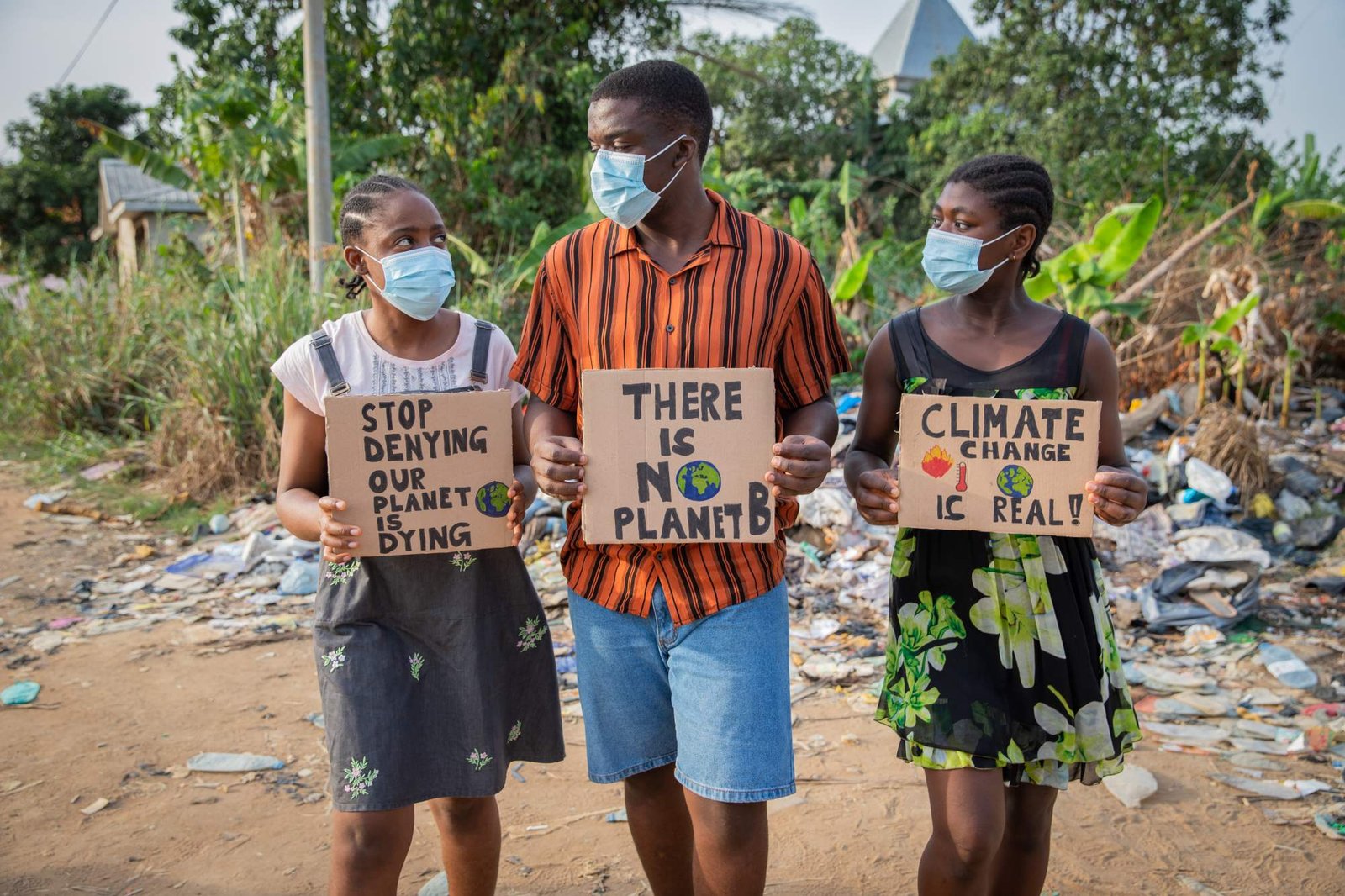

As COP31 draws to a close in Antalya, Türkiye, the big question is whether global climate commitments will translate into real improvements in the lives of millions of people across Nigeria and Africa.
Climate change is no longer a distant environmental concern. It is happening around us. From communities battling floods to farmers struggling with unpredictable rainfall, rising temperatures and changing weather patterns are affecting how people live, work, grow food and earn a living.
In Nigeria, the effects are becoming increasingly difficult to ignore. Flooding destroys homes, businesses and farmlands. Extreme heat affects health and productivity, while changing rainfall patterns make farming more challenging. These pressures deepen existing development challenges and place additional strain on public services.
This is why the 31st United Nations Climate Change Conference (COP31), held in Antalya, Türkiye, from 9 to 20 November 2026, matters to Nigeria and the rest of Africa. The conference brought governments, businesses, development institutions and civil society organisations together to negotiate solutions to the climate crisis.
But beyond the speeches, negotiations and international commitments, an important question remains: What will COP31 mean for the ordinary Nigerian and African whose life and livelihood are already being affected by climate change?
Climate finance: Making money reach the people who need it
One of Africa's biggest concerns at COP31 is climate finance. Although the continent contributes relatively little to global greenhouse gas emissions, it faces significant climate risks and needs substantial resources to adapt.
For countries like Nigeria, climate finance can support flood protection, improved agricultural systems, climate-resilient infrastructure, clean energy and stronger healthcare services.
The latest COP31 draft decision highlighted the growing gap between the resources developing countries need and the finance currently available. It also proposed an Antalya-to-Addis Ababa Roadmap on Adaptation and Resilience Finance to explore more predictable funding for climate adaptation.
However, disagreements over financing targets show that securing commitments is only part of the challenge. Countries must also ensure that funding is accessible, affordable and directed towards practical solutions.
For Africa, the priority should be to move beyond promises and ensure that climate finance reaches national institutions, local governments, businesses and vulnerable communities.
Renewable energy: Powering homes, businesses and opportunities
Climate action also presents an opportunity to address one of Nigeria's longstanding development challenges: access to reliable electricity.
Investing in renewable energy, solar power, mini-grids, energy storage and clean cooking can help communities and businesses access more reliable and affordable energy.
For small businesses, this could mean reduced dependence on expensive alternative power sources. For rural communities, it could mean electricity for homes, schools, health facilities and local enterprises. For young people, it could create new opportunities in renewable energy installation, maintenance, manufacturing and innovation.
Africa must therefore see the energy transition not only as an environmental responsibility but also as an opportunity for economic growth. Nigeria has a chance to attract investment, build local capacity and develop businesses that can participate in the growing green economy.
Climate change is a public health issue
Climate change affects more than the environment; it also affects people's health.
Extreme heat can cause illness and reduce productivity, particularly among outdoor workers. Flooding can contaminate drinking water and increase the risk of waterborne diseases. Changing environmental conditions can also influence the spread of infectious diseases, while food insecurity can worsen malnutrition.
These challenges make climate resilience an important part of strengthening Nigeria's health system.
Investments in climate-resilient health facilities, early-warning systems, clean water, sanitation and disease surveillance can help communities prepare for climate-related health risks.
At the Centre for Inclusion and Development Innovation (CIDI), we recognise that climate action and public health are closely connected. Protecting the environment also means protecting lives, livelihoods and the wellbeing of communities.
Protecting food systems and vulnerable communities
Agriculture remains a major source of livelihood across Nigeria and Africa. Yet farmers are increasingly exposed to droughts, flooding, unpredictable rainfall and declining soil quality.
When harvests are affected, the consequences go beyond the farm. Food becomes more expensive, household incomes decline and families become more vulnerable to hunger and poverty.
COP31's focus on adaptation and resilience reinforces the need for greater investment in climate-smart agriculture, irrigation, improved farming practices, resilient seeds and better access to climate information.
These solutions must reach smallholder farmers, particularly women and rural communities who often have fewer resources to prepare for climate shocks.
Climate policies must also recognise that vulnerable groups do not experience climate change in the same way. Women, children, young people and persons with disabilities must have a meaningful voice in decisions that affect their communities. Inclusion should not be an afterthought; it must be part of how climate solutions are designed and delivered.
From COP31 to action: What Nigeria and Africa must do next
With COP32 scheduled to take place in Addis Ababa, Ethiopia, in 2027, COP31 offers an opportunity for Africa to sustain its influence in global climate discussions.
Nigeria must build on the momentum by strengthening its climate institutions, improving coordination between national and state governments, developing bankable climate projects and making it easier to access and manage climate finance.
The private sector also has a role to play by investing in renewable energy, sustainable agriculture and climate-friendly businesses. Civil society organisations and community groups must continue to amplify local experiences, promote accountability and ensure that vulnerable populations are not left behind.
Most importantly, climate action must become part of everyday development planning, from how cities are built and farms are managed to how healthcare is delivered and businesses are supported.
The real test begins after COP31
The success of COP31 should not be measured only by the agreements reached or commitments announced in Antalya. It should be measured by what happens afterwards.
Can communities become better protected against flooding? Can farmers access the resources they need to adapt? Can more households enjoy reliable electricity? Can health facilities withstand climate-related shocks? Can young people and women access opportunities in the green economy?
These are the outcomes that matter.
At CIDI, we believe that climate action must go beyond negotiations and declarations. It must lead to healthier people, stronger livelihoods, safer communities and more inclusive development.
For Nigeria and Africa, the message is clear: the climate conversation must move from promises to progress, and from global commitments to solutions that make a difference in people's lives.
Sheriff Aderibigbe writes from Abuja and volunteers with CIDI